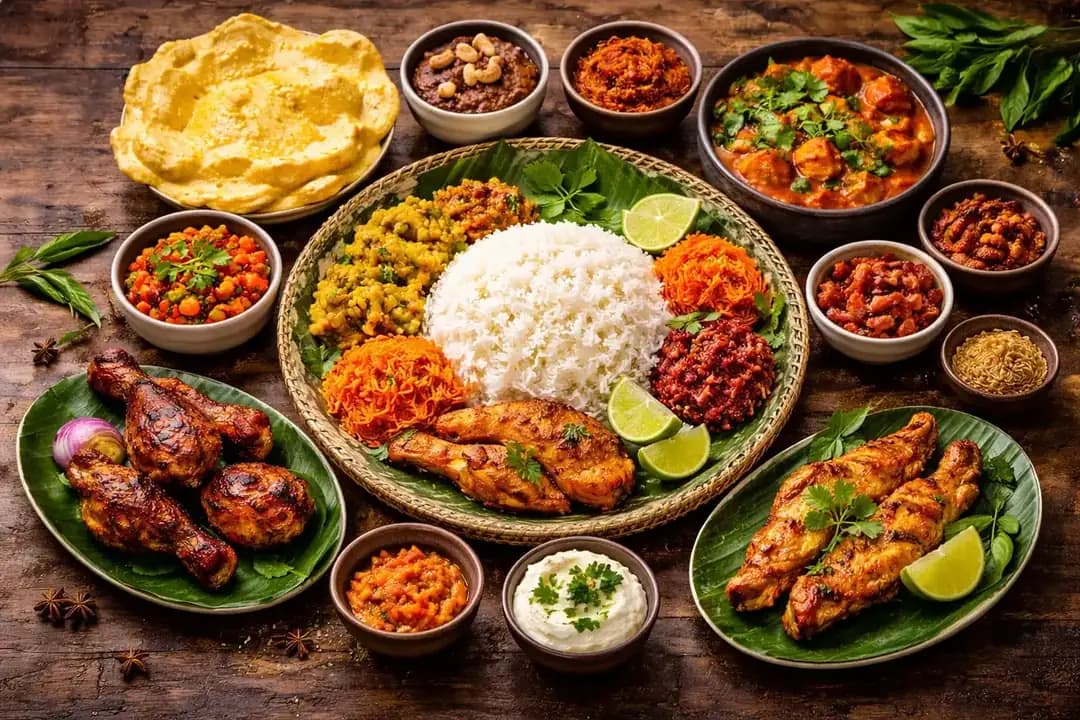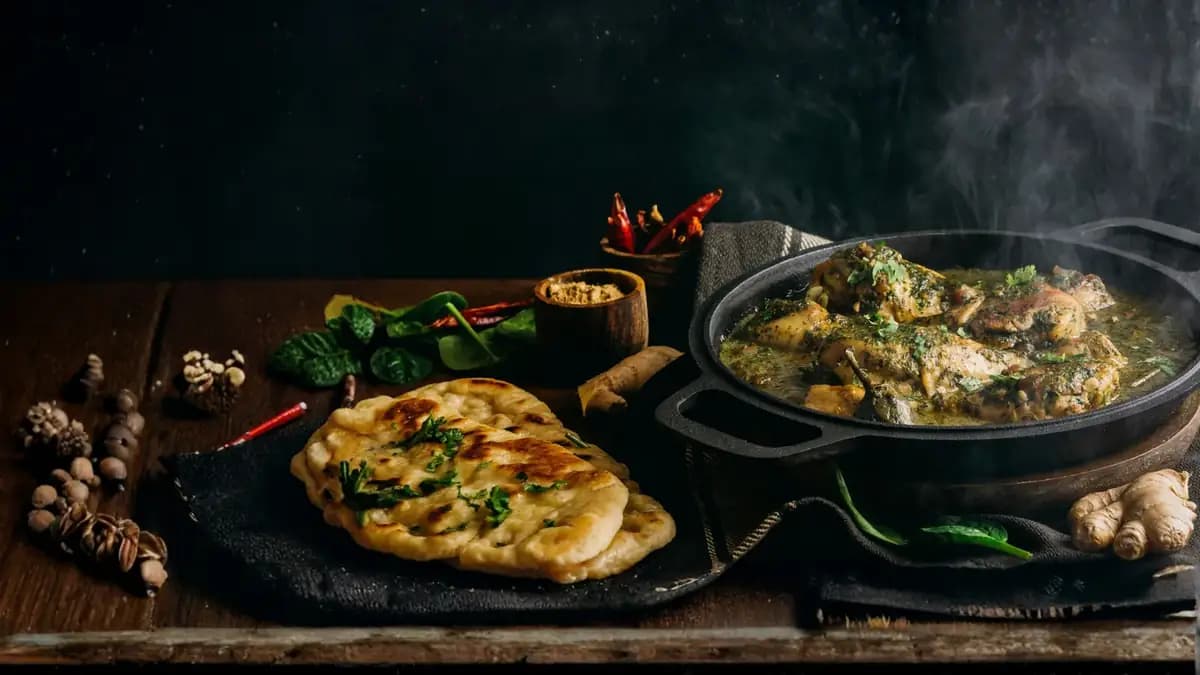
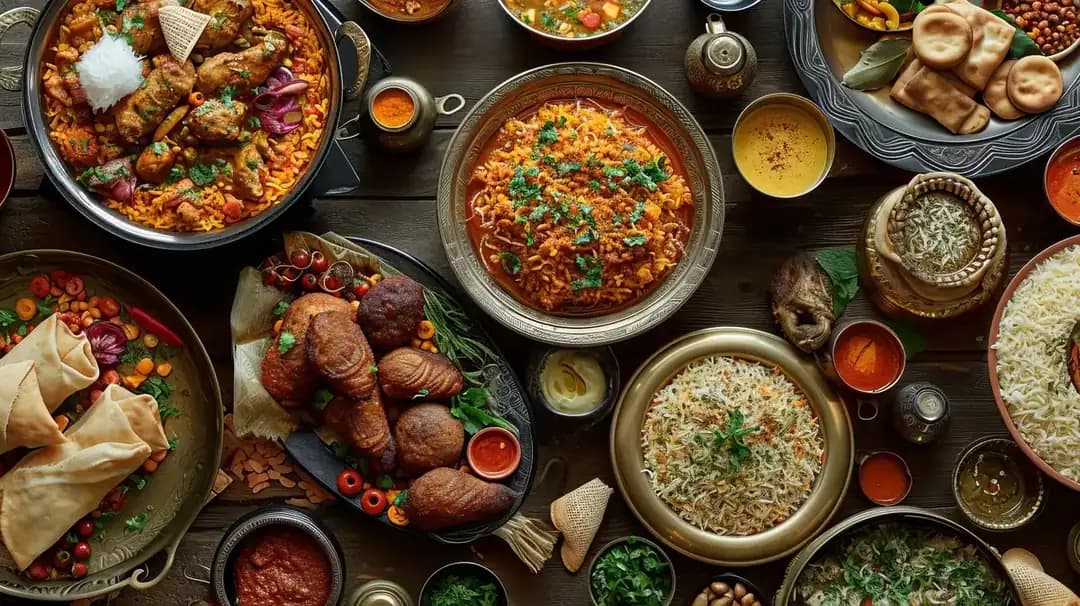
Kurundu is Sinhala for cinnamon. Not a random name — it is the spice that put Sri Lanka on the world map for centuries.
Our name is not a marketing invention. Kurundu (කුරුඳු) is the Sinhala word for cinnamon — and cinnamon is the reason the world once sailed to Sri Lanka.
The real cinnamon
What most people in the Netherlands know as cinnamon is usually cassia: dark, hard and sharp. True Ceylon cinnamon is a different thing. The bark is light brown, snaps like paper and rolls itself into fine, layered quills. The flavour is softer, more floral, almost citrusy — a spice that flatters rather than dominates.
That difference is exactly why Ceylon cinnamon can do things in savoury cooking that cassia cannot: it lifts a curry without dragging it toward dessert.
Cinnamon in savoury dishes
In Sri Lankan cooking, cinnamon is not in the apple pie but in the curry. A piece of bark goes into the oil at the very start, alongside curry leaf and pandan. You do not taste it as “cinnamon” — you taste it as depth, as the warm layer beneath the heat.
Why the name fits
Cinnamon stands for exactly what we try to do: patience, layers and origin. The bark is harvested by hand, dried and rolled. We build our curries the same way — slowly, layer by layer, without rushing.
So when you walk in here in Nieuwegein, you are eating in a restaurant named after the spice that gave the island its name.